
Diving Expeditions in La Palma (Canary Islands)
Explore a Unique Seafloor Born from Fire
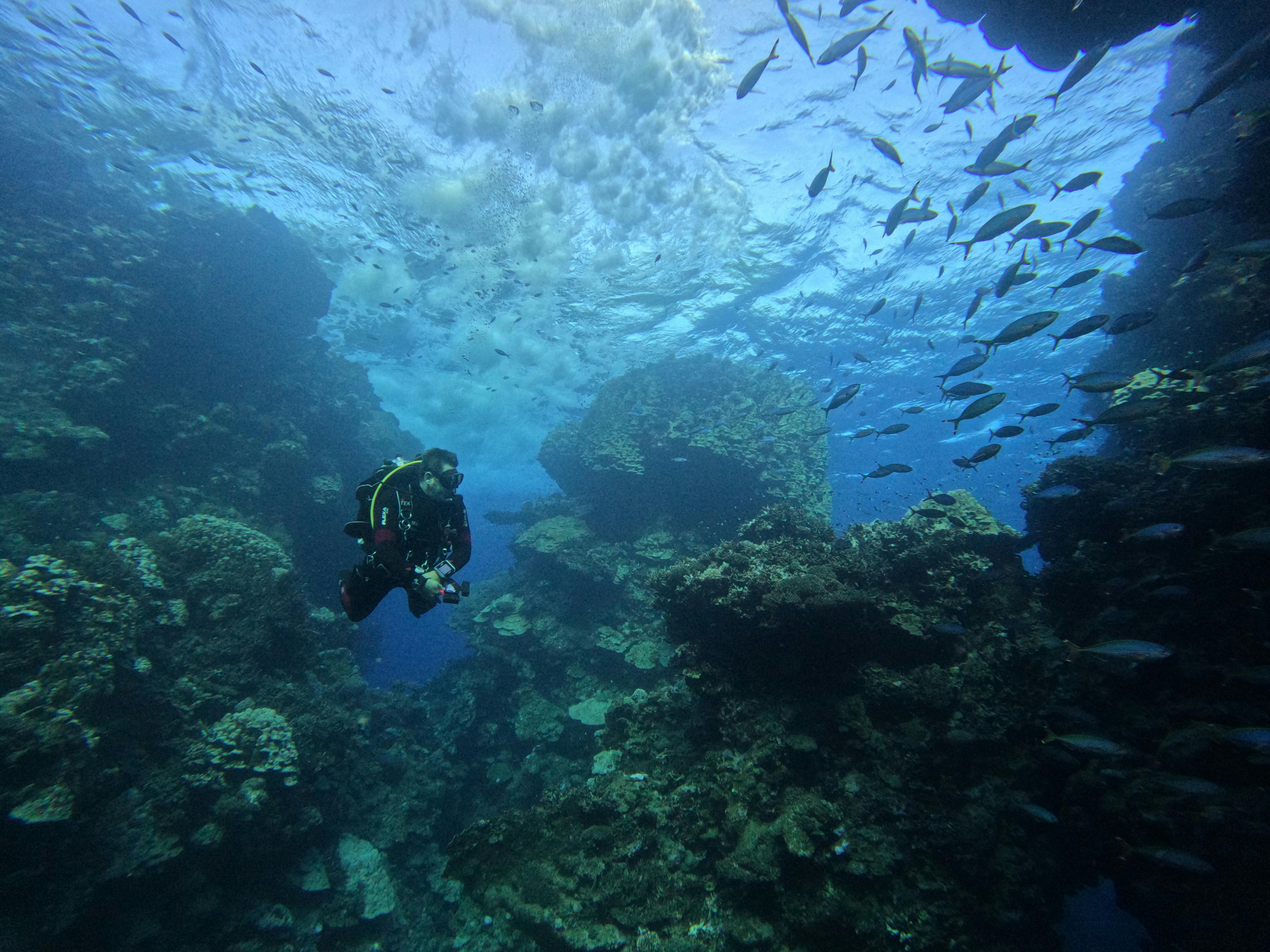
Explore caves and untouched lava flows unique in Europe.
Dive in La Palma’s marine reserve, where only a few can reach.
Actively participate in marine conservation science projects.
Welcome to...

NEXT DEPARTURE
June 1–8, 2026 (check more dates on the website)
REQUIRED LEVEL
OWD or higher
CONDITIONS FORECAST
Up to 30 meters with excellent visibility
MARINE RESERVE
La Palma Marine Reserve and lava deltas from historical eruptions
MARINE LIFE
Angel sharks, rays, black coral, and other Atlantic and Macaronesian species
On September 19, 2021, the ground of La Palma opened up.
The Tajogaite volcano emerged and, for 85 consecutive days, covered the island in magma. Lava reached the sea and formed a lava delta (a new piece of land) of more than 40 hectares.
But the most dramatic changes occurred underwater.
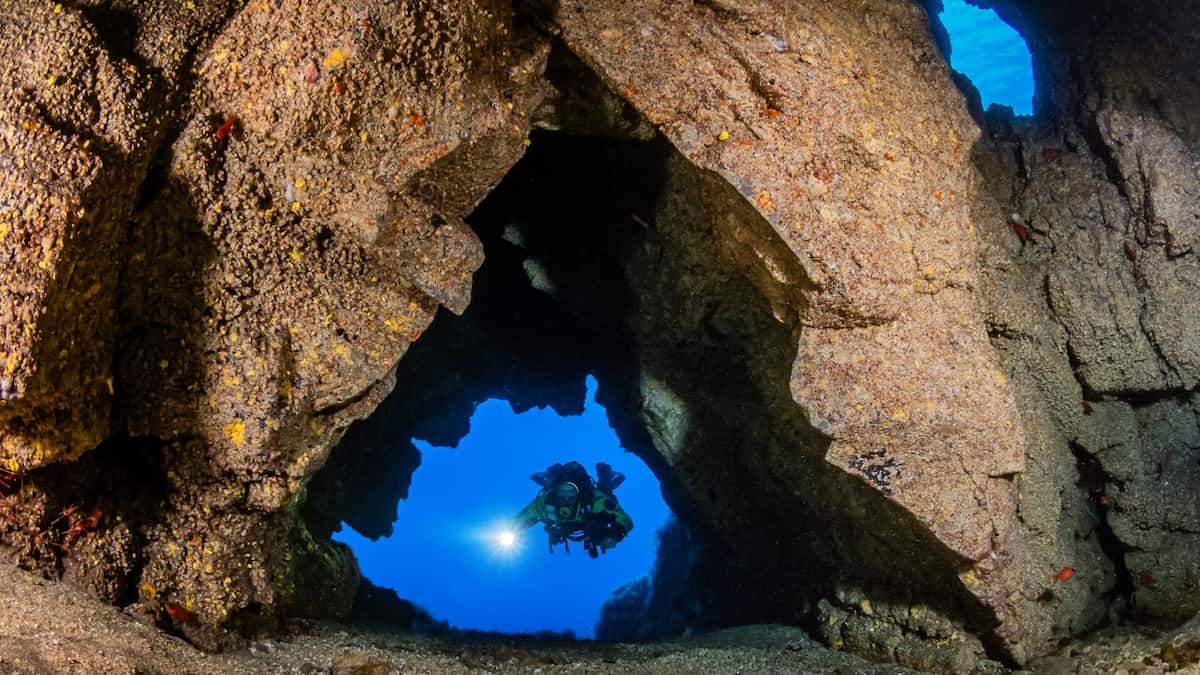
As lava fell onto the seabed, it created a unique landscape: columns, caves, ridges, and tunnels extending beyond 350 meters deep.
A pristine environment where even marine life had not yet arrived (it was initially uninhabitable).
Today, La Palma is one of the few places in the world where you can witness such an environment—watching life emerge on an island born from a volcano.
Volcanoes Underwater
Discover Diving in La Palma
Scuba Diving in a Magical Environment with Unique Marine Life
Most underwater volcanic landscapes on the planet are ancient and already covered with algae, anemones, and corals. The Tajogaite lava delta is one of the very few pristine lava deltas in the world—and the only one in Europe. But La Palma offers much more. Diving here is completely different from diving on any other Canary Island.
The Fusion of Fire and Ocean: Diving in La Isla Bonita
La Palma’s history is shaped by volcanoes. It is one of the youngest islands in the archipelago, only around 2 million years old, where eruptions have continuously transformed both the land and the seabed.
DIVING IN A VIRGIN SPACE
Unique geological formations shaped by volcanic eruptions and erosion over time.
An underwater world created by eruptions such as San Antonio (1678), San Juan (1949), and Teneguía (1971), which have formed a dramatic and surprising landscape of basalt columns, tunnels, labyrinths, caves, geysers, and pillow lava fields.
All of this contrasts with the raw and untouched lava flows created by the 2021 Tajogaite eruption.
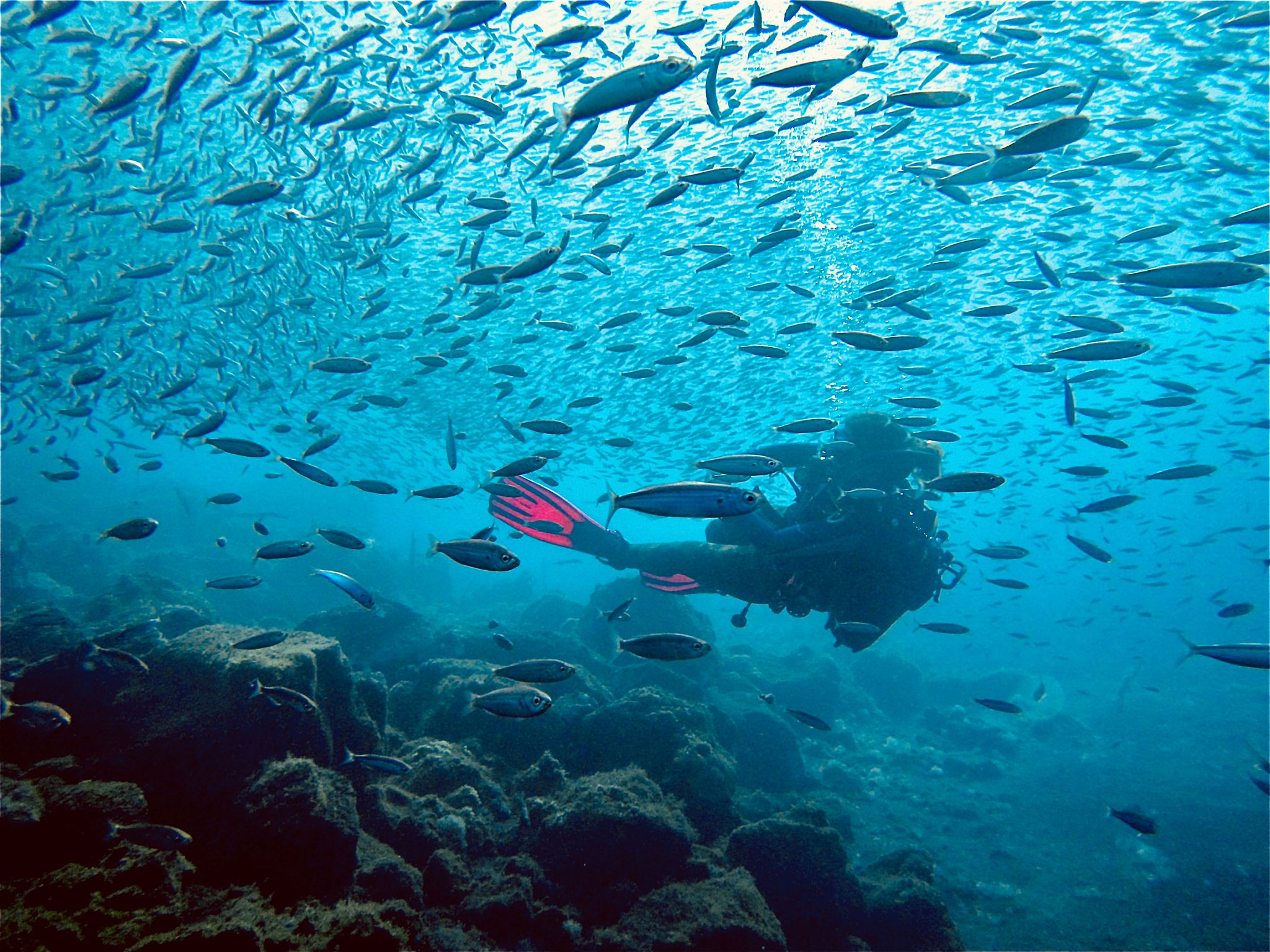
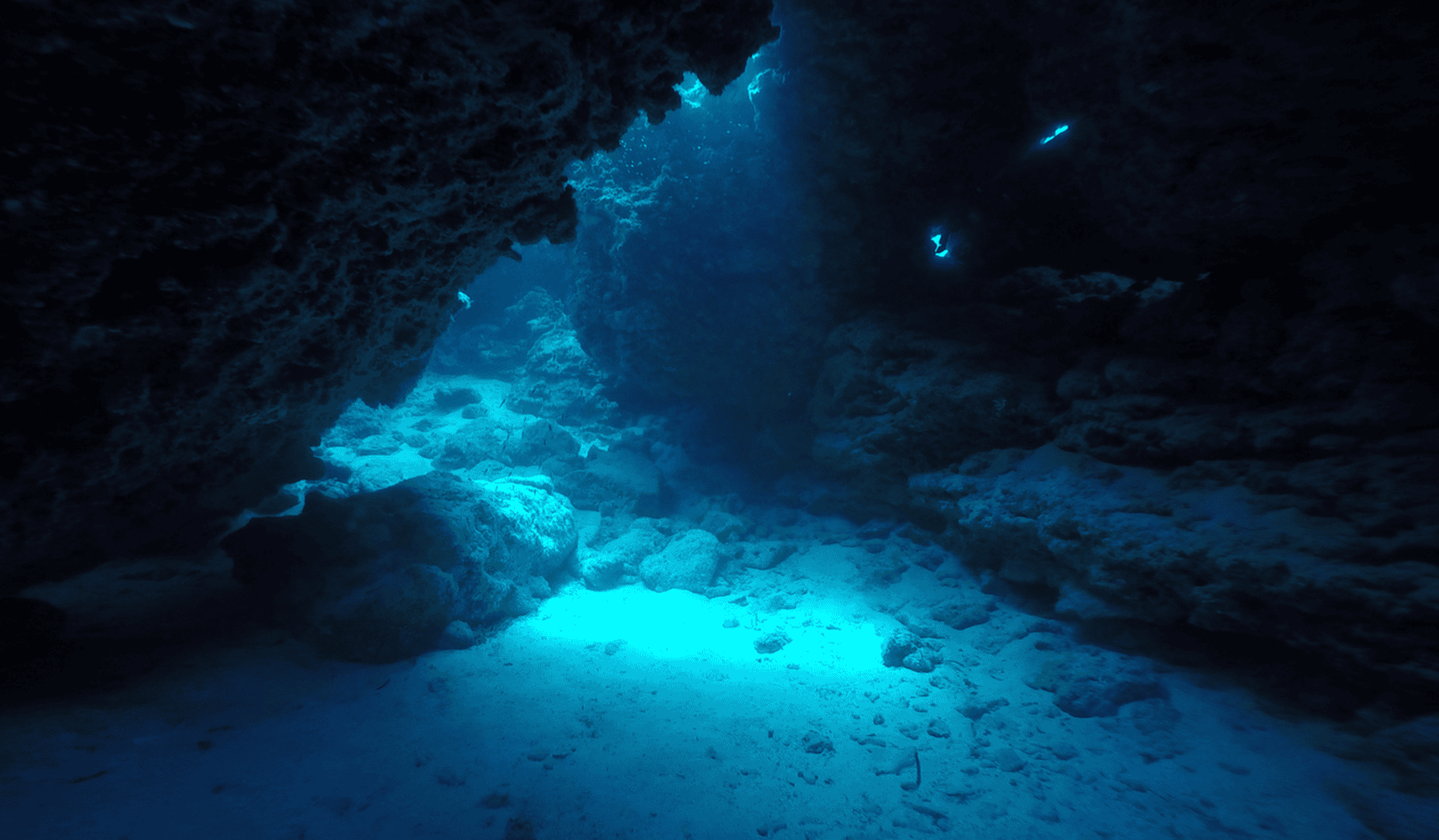
Diving in La Palma Is Like Another Planet
Unique geological formations shaped by volcanic eruptions and erosion over time.
An underwater world created by eruptions such as San Antonio (1678), San Juan (1949), and Teneguía (1971), which have formed a dramatic and surprising landscape of basalt columns, tunnels, labyrinths, caves, geysers, and pillow lava fields.
All of this contrasts with the raw and untouched lava flows created by the 2021 Tajogaite eruption.
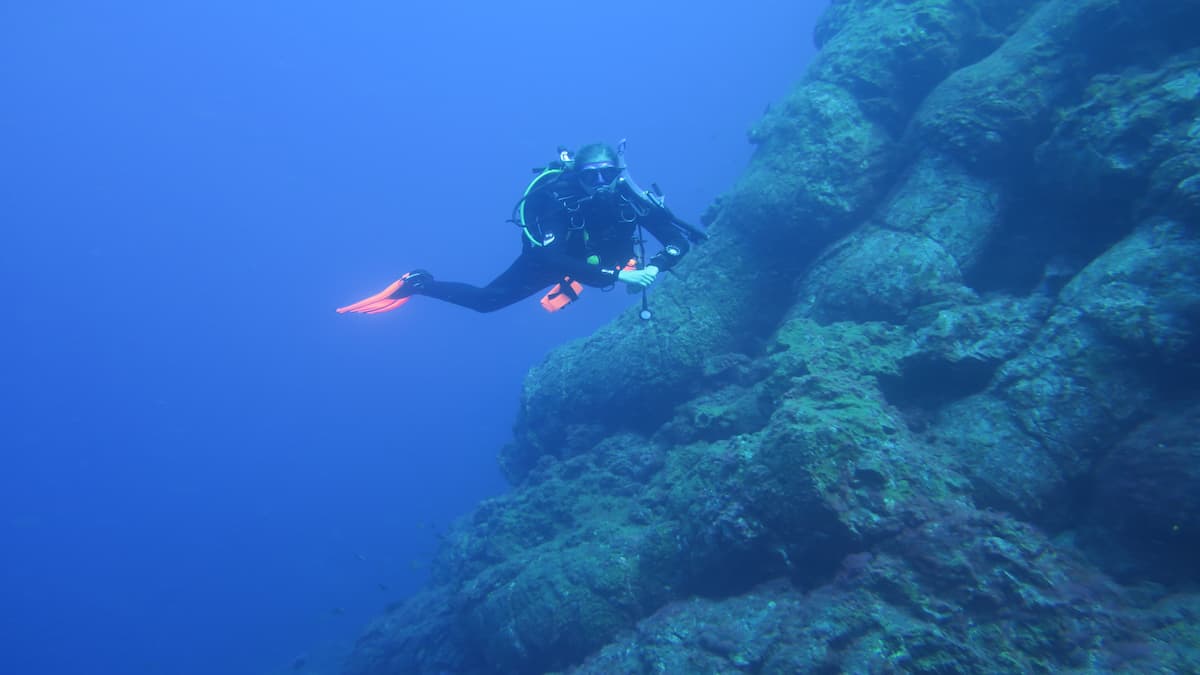
Vertical Walls Over 40 m Close to Shore
La Palma is one of the few places in the world where you don’t need a boat to dive into deep blue waters.
Just minutes from the shore, vertical walls drop more than 40 meters straight down.
A direct gateway to depth—something very few destinations in the world can offer.
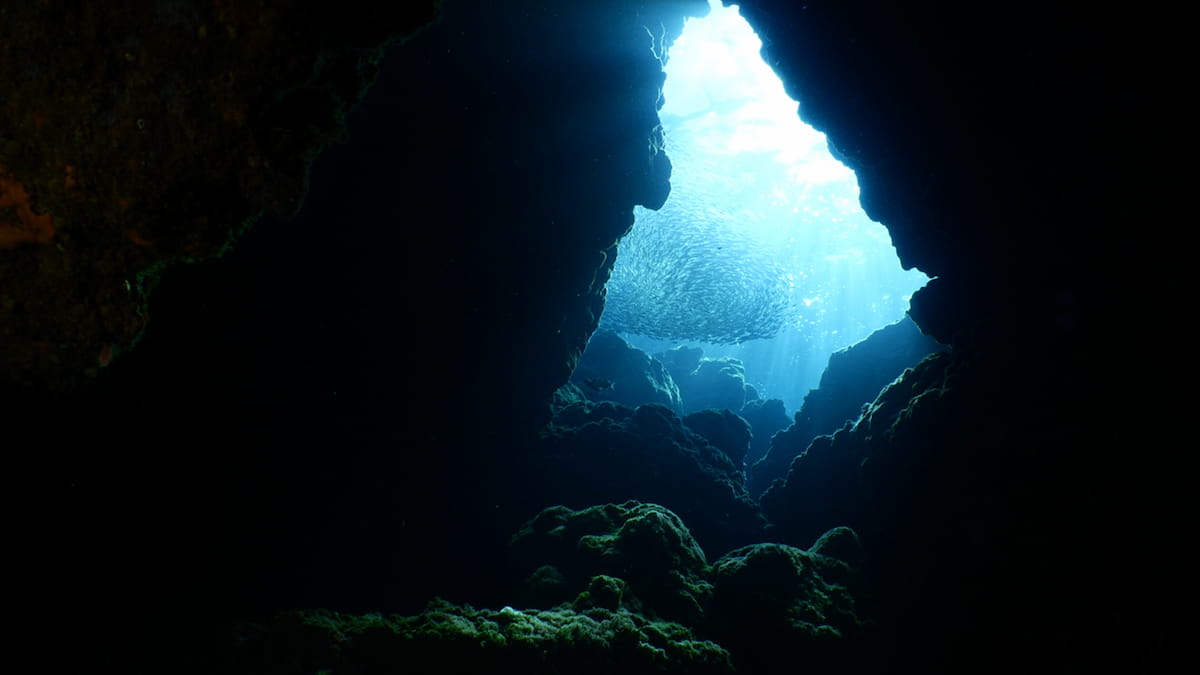
Crystal Clear Waters with Up to 30 m Visibility
The volcanic rock acts as a natural filter, retaining impurities and allowing visibility of up to 30 meters under favorable conditions.
Unique Marine Life in the World
The waters of La Palma are home to more than 1,400 marine species, some of which have disappeared in other parts of the world.
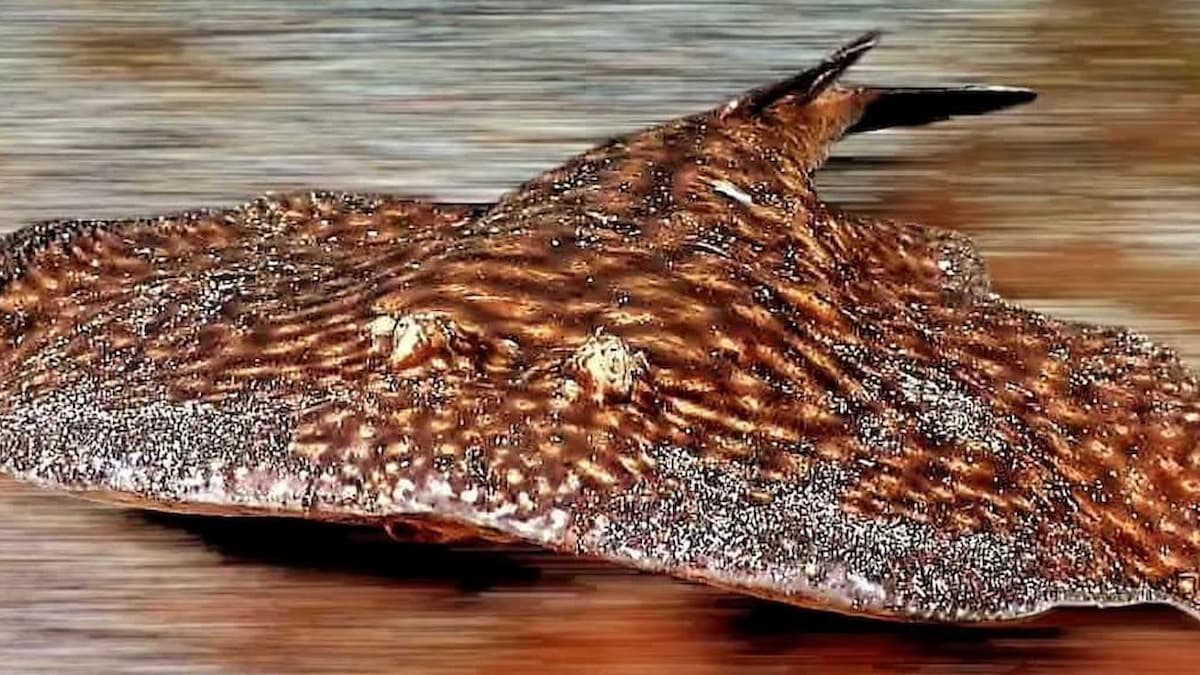
Angel Shark
The angel shark is one of the most endangered fish species on the planet.
It is considered extinct throughout northern Europe. The Canary Islands are the only place in the world where significant populations still exist.
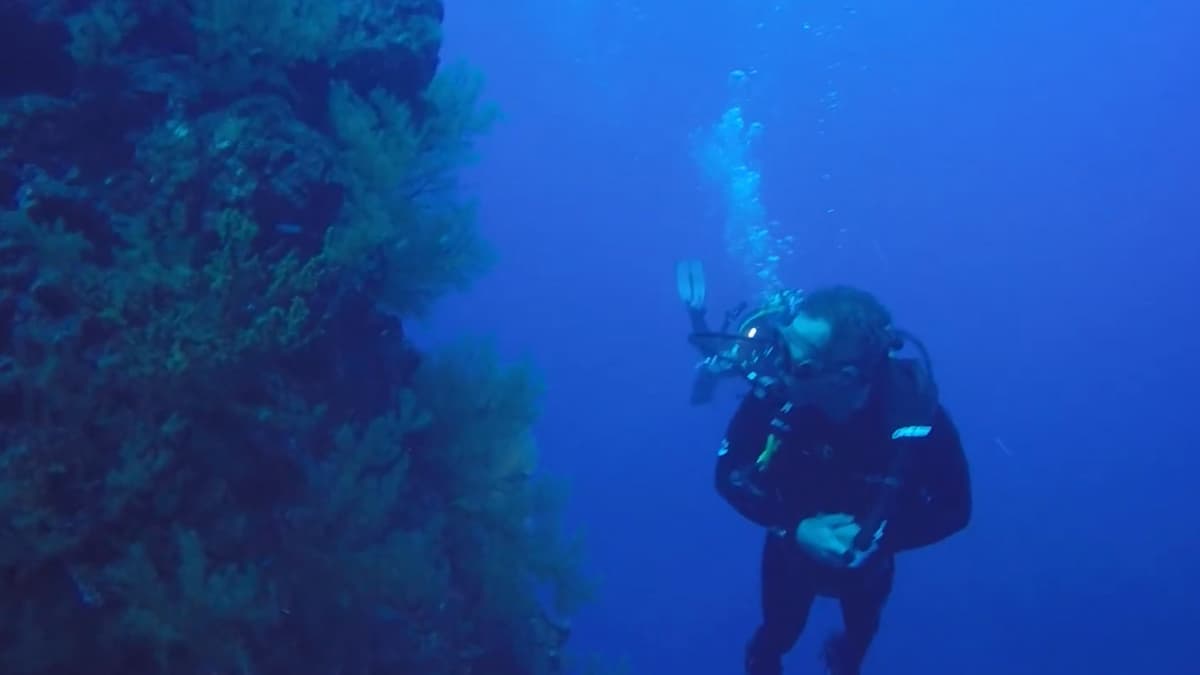
Black Coral
Black coral typically lives along the edges of volcanic platforms, forming underwater forests that serve as shelter for many fish species.
Some specimens can live up to 4,000 years.
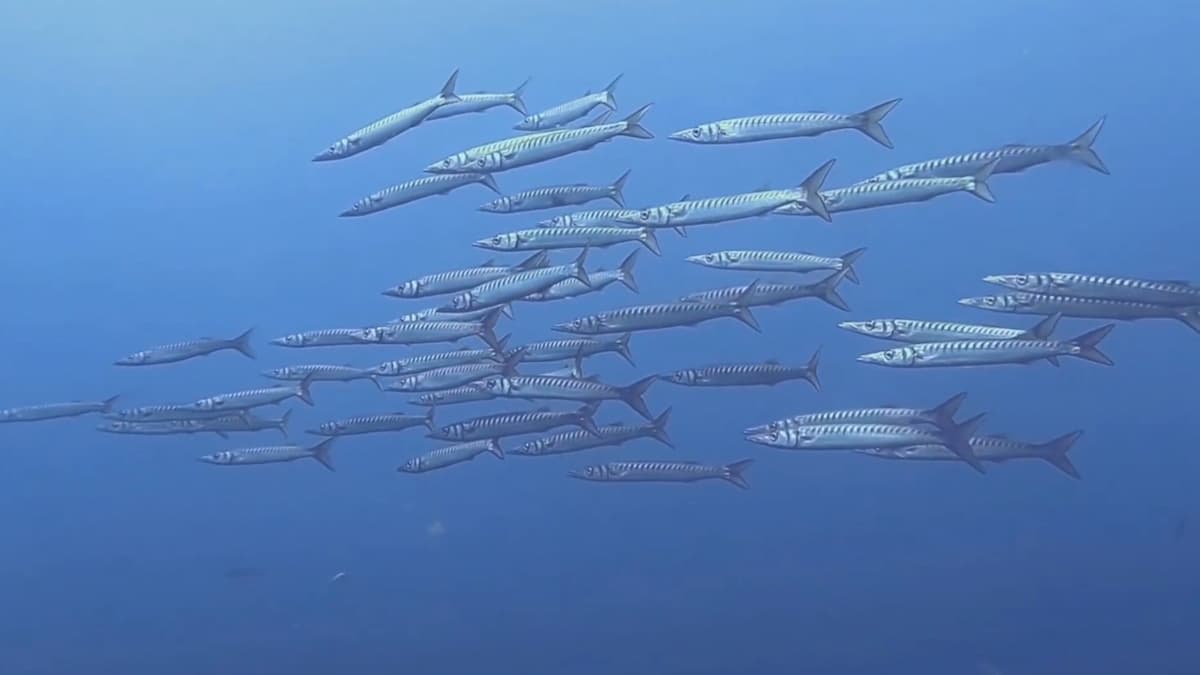
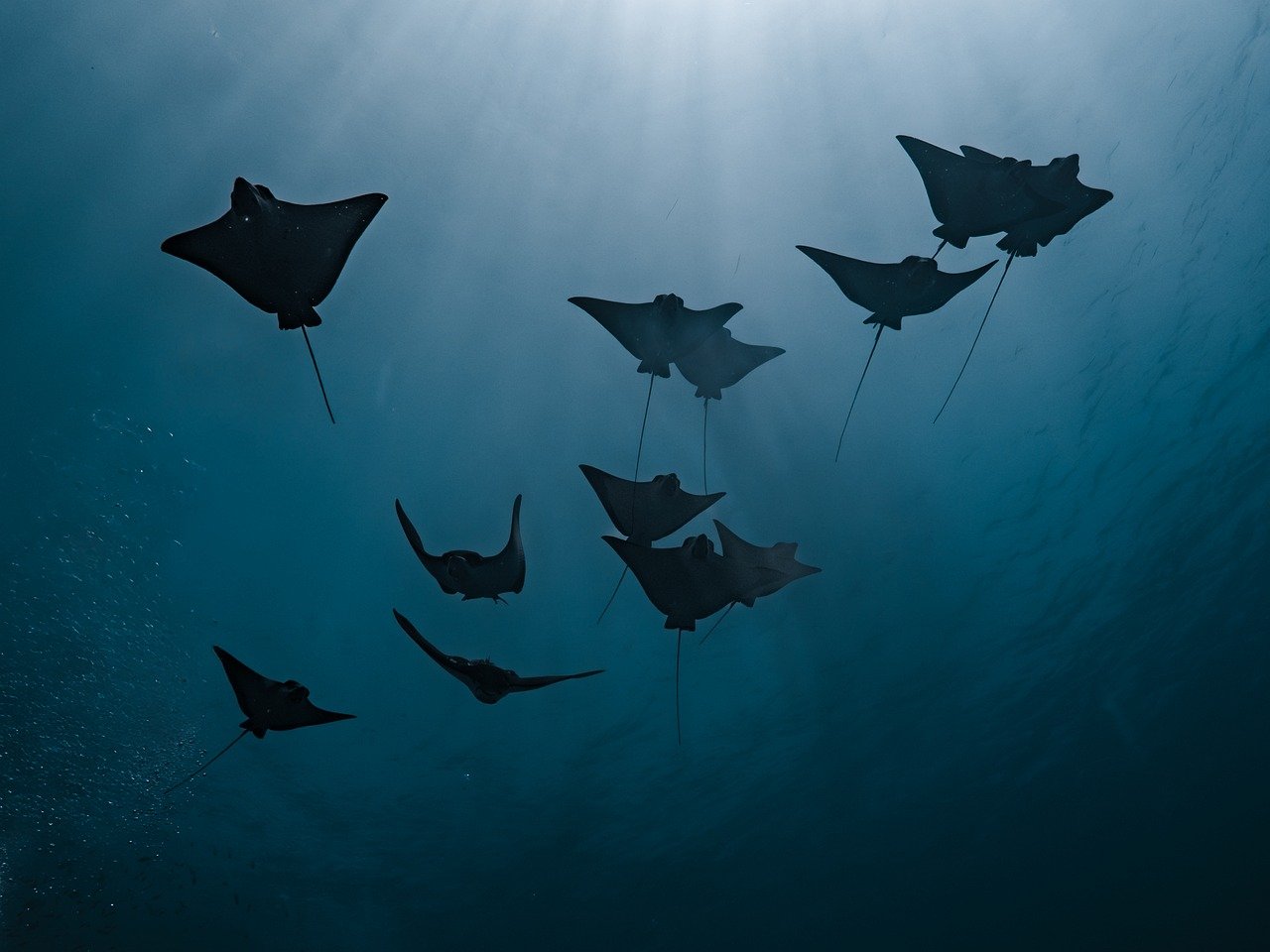
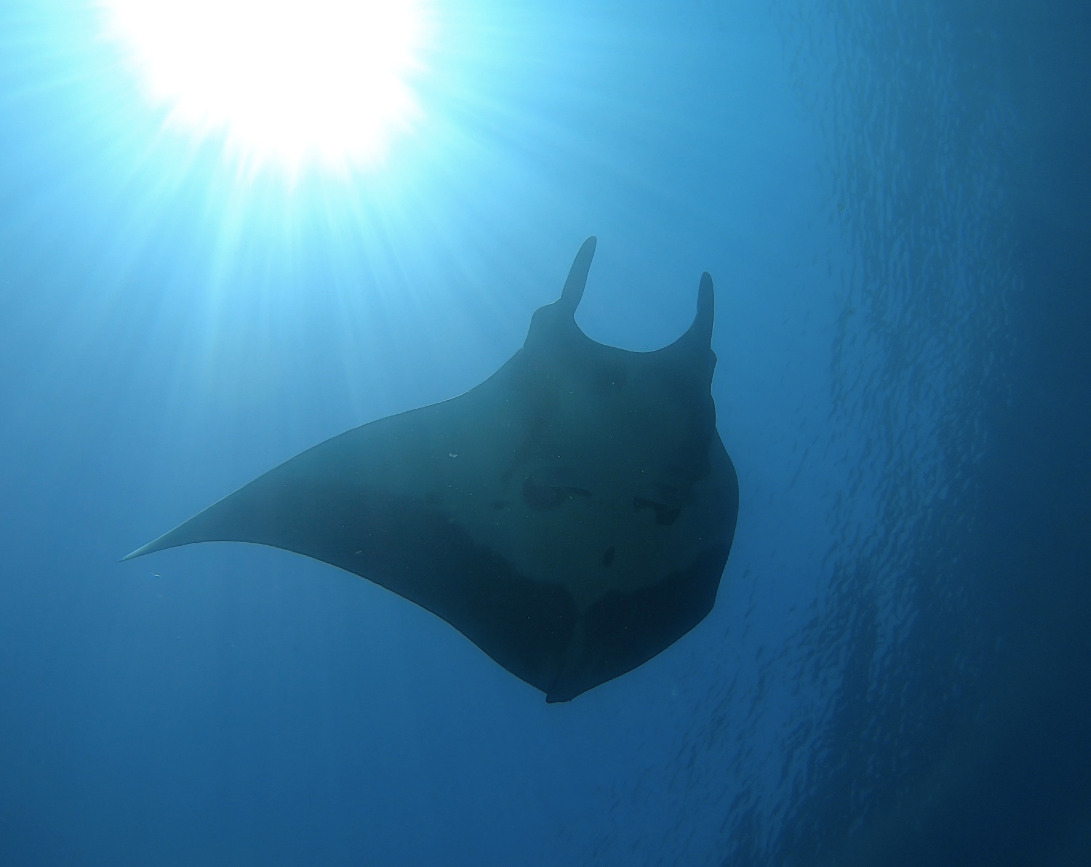
Ocean Megafauna
Species such as devil rays and sharks. These species usually live far from the coast, in deep waters.
In La Palma, however, encounters are frequent due to the steep drop-offs close to the island.
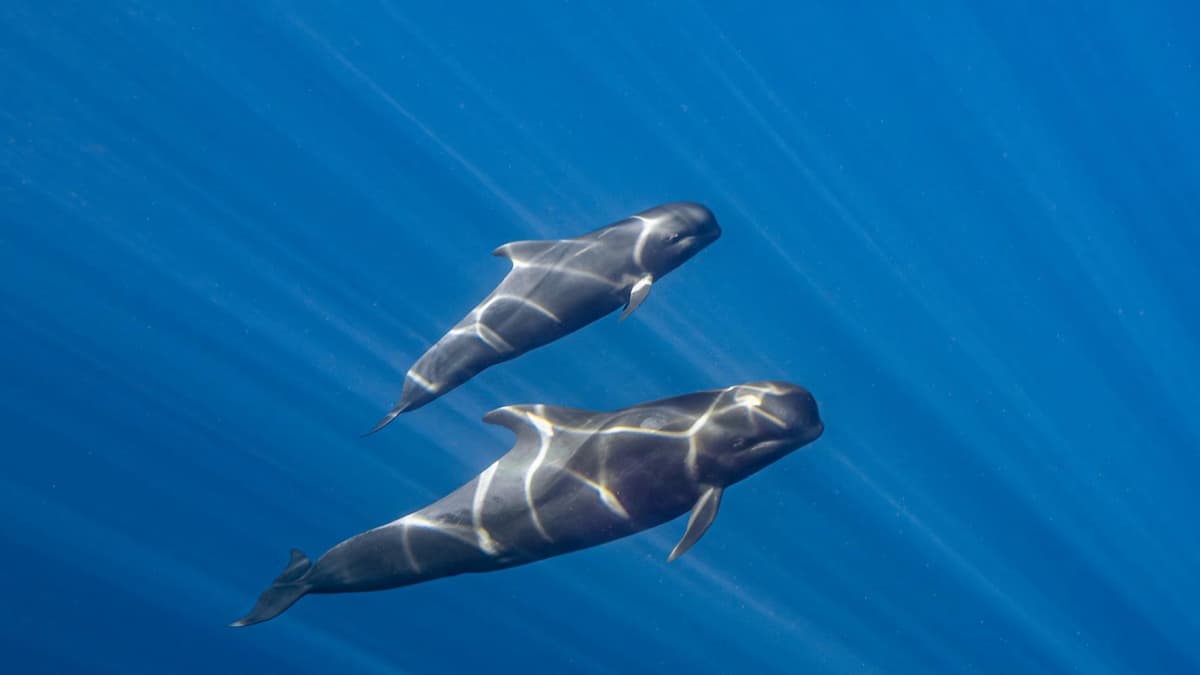
Bottlenose Dolphins and Pilot Whales
The waters surrounding La Palma are also home to bottlenose dolphins.
They often move in small groups near the coast and are commonly spotted from the boat during sea outings.
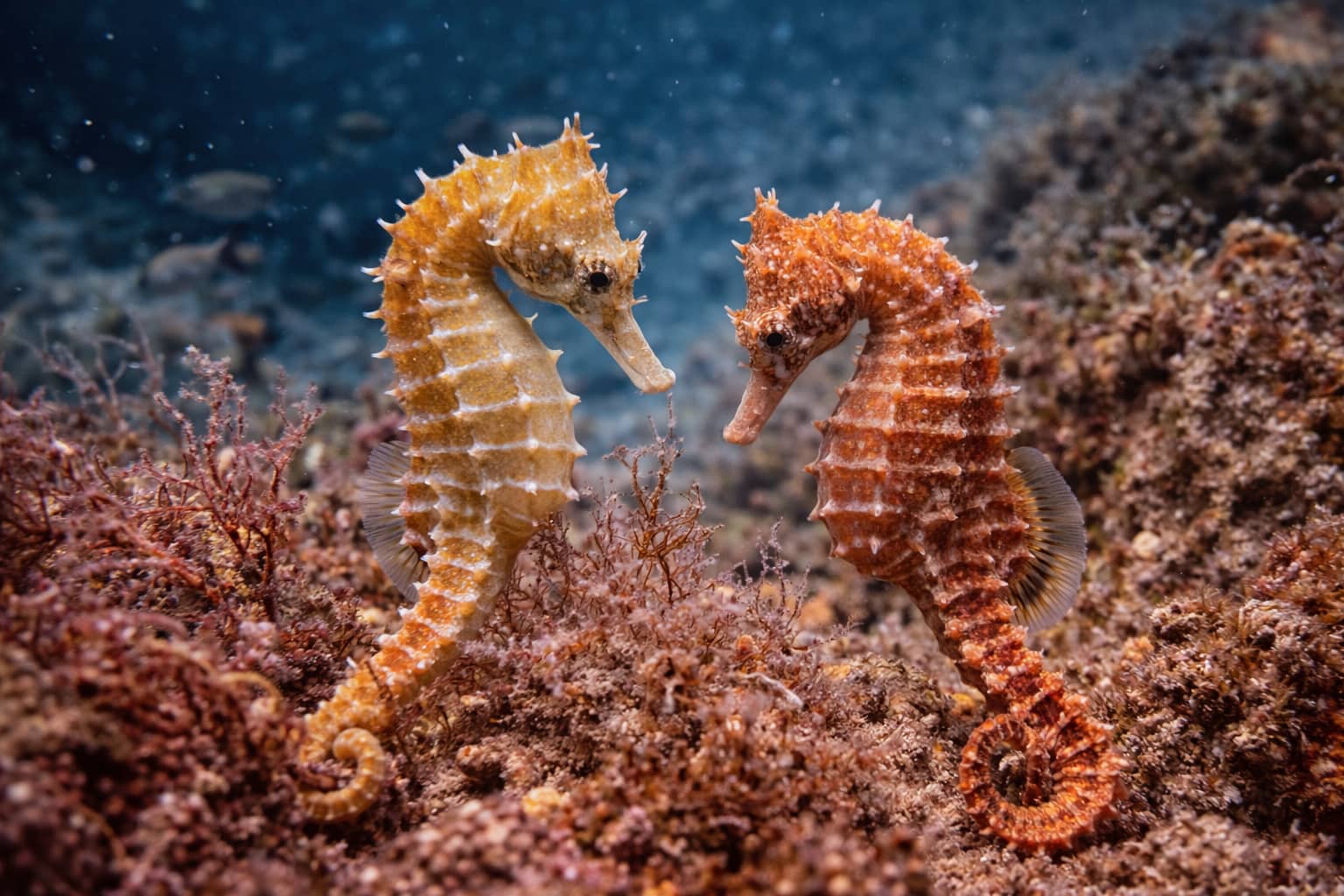
Seahorses
Seahorses are highly sensitive to pollution, which is why they are endangered.
La Palma is one of the few places in Spain where they can still be found.
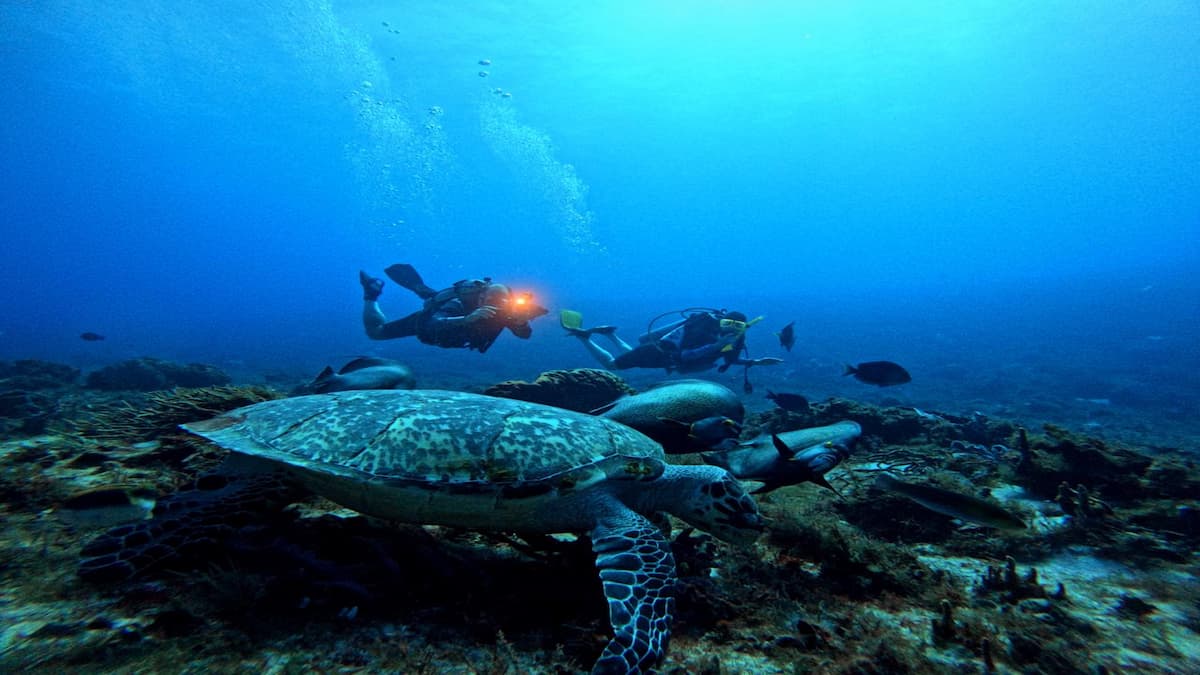
Turtles and Trumpetfish
These species are present all year round.
Large specimens, uncommon in European waters, find in La Palma a calm and unique habitat.
They are more commonly seen within the Marine Reserve.
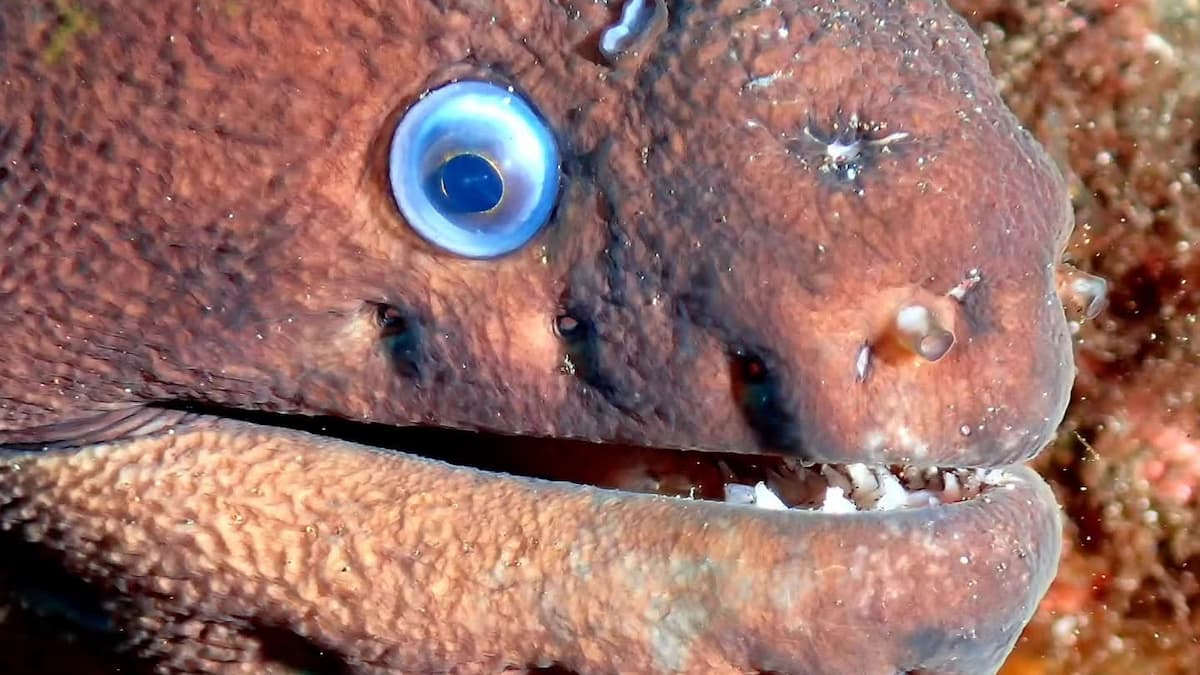
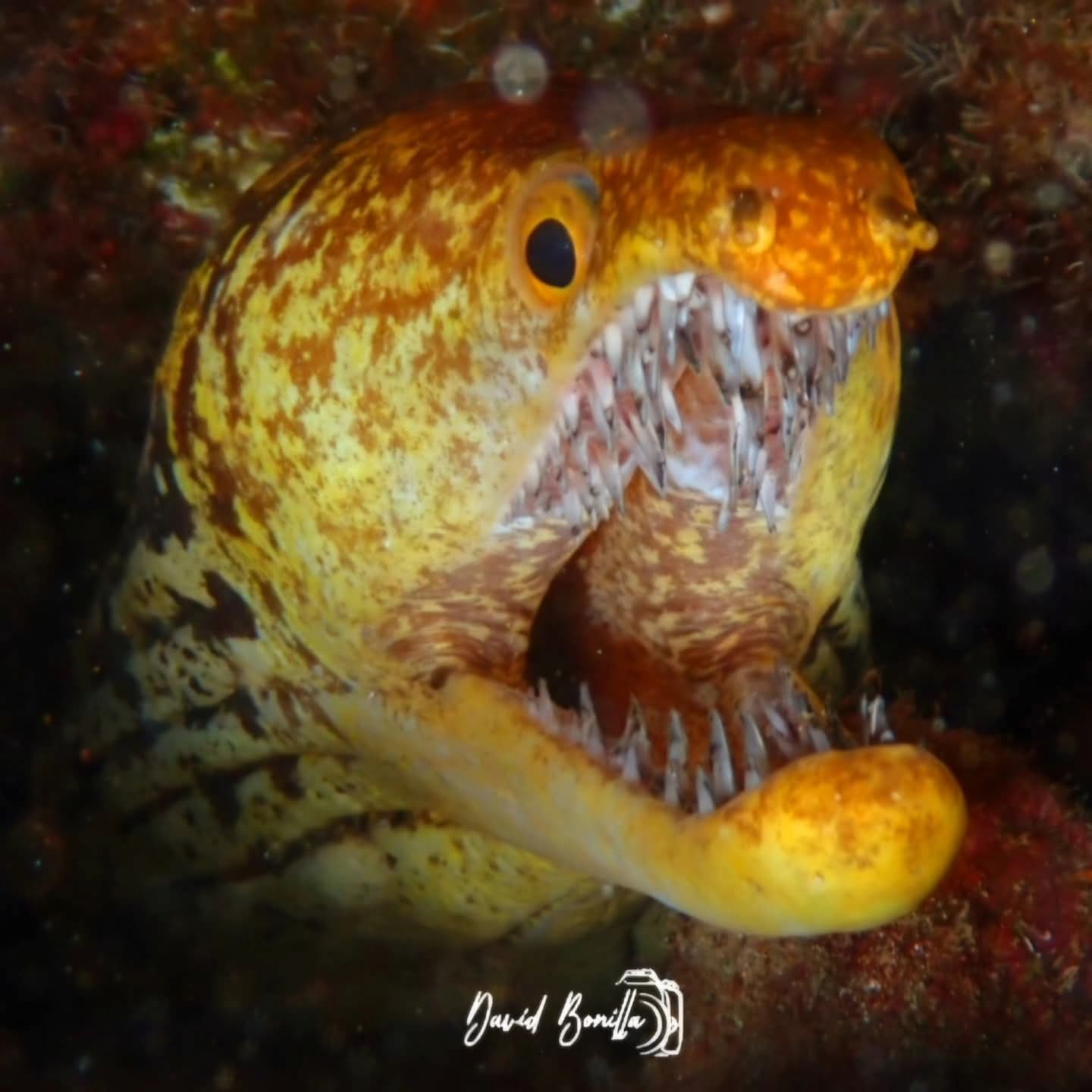
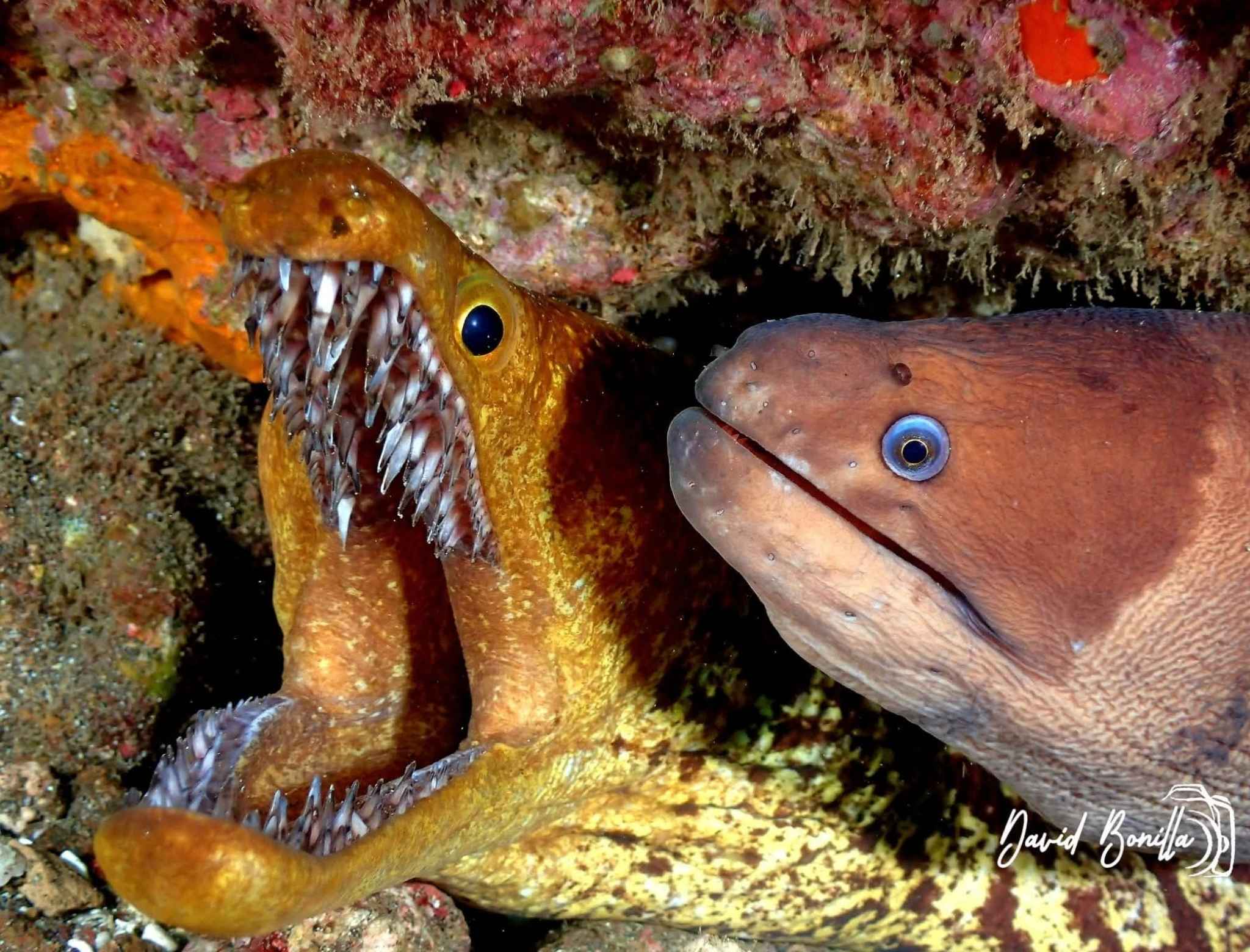
Stingrays and Moray Eels
Moray eels and stingrays are two of the most characteristic species of La Palma’s seabed.
Moray eels hide among rocks, cracks, and volcanic caves, subtly peeking out, while stingrays are often found on sandy bottoms.
One of the Most Protected Territories in the World
The richness of the seabed is only part of what makes La Palma special.
The island stands out for preserving some of the best-conserved natural ecosystems in the Atlantic. Its volcanic geology, semi-tropical climate, trade winds, and the influence of the Azores High, combined with its condition as an isolated island, create a unique landscape where volcanoes, forests, and coastlines coexist in extraordinary biodiversity.
La Palma is also one of only two islands in the Canary archipelago that represent all five ecosystem types found in Macaronesia.
Biosphere Reserve
Since 2002, the entire island of La Palma has been recognized as a UNESCO Biosphere Reserve.
This has allowed its natural environments to remain largely untouched.

Unique Flora and Fauna
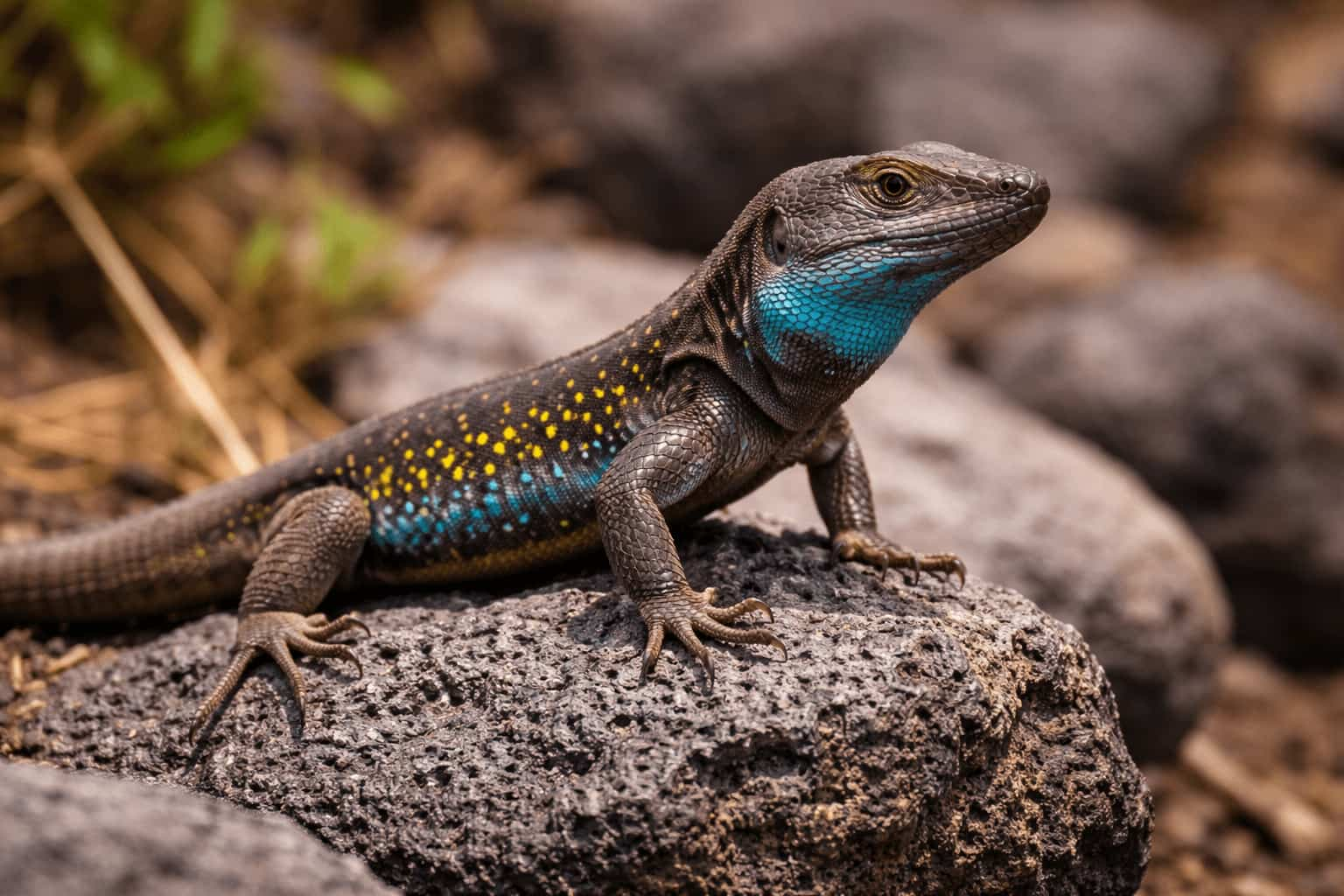
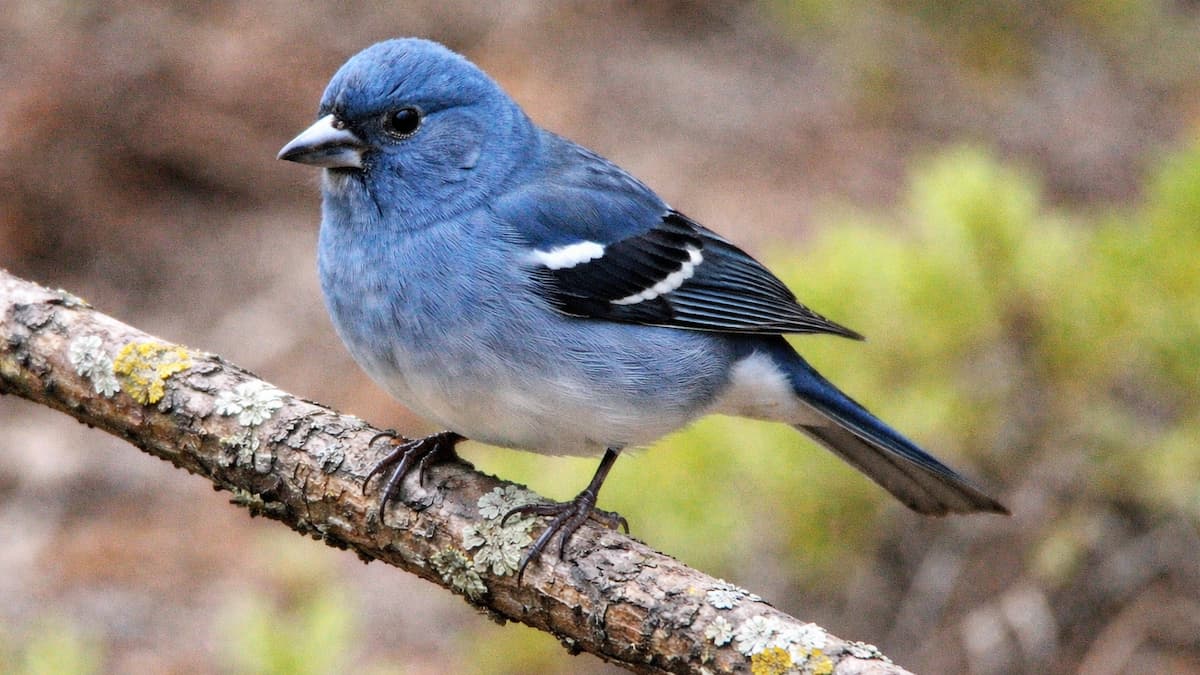
La Palma is home to species such as:
The blue chaffinch
The Canary lizard
The Canary Island pine, the only pine species in the world capable of surviving fire and volcanic eruptions
It is also a refuge for endemic species that exist nowhere else on Earth, such as the laurel pigeon and Bolle’s pigeon, which inhabit ancient laurel forests, as well as the long-eared bat and the red-billed chough, symbol of the island.
Nature Without Mass Tourism
La Palma receives far fewer visitors than other Canary Islands.
You arrive at a dive site and don’t have to wait for other groups to finish. You enter the water and find a clean, pure ocean, without bubbles from other divers.
On land, you can walk for kilometers without encountering anyone, or reach small villages inhabited only by locals.
Wildlife approaches you with curiosity. In their territory, you are the guest.They do not flee. They simply observe you in their natural environment, offering a genuine opportunity to understand their behavior at close range, without impact or disturbance.

The First Protected Sky in the World
Thanks to its altitude and low light pollution, La Palma is a privileged location for stargazing.
To find skies of comparable quality, you would need to travel to extremely remote places such as the Atacama Desert in Chile, Mauna Kea in Hawaii, or certain areas of Namibia.
Since 1988, La Palma’s sky has been protected by law, and in 2007 it became the world’s first Starlight Reserve.
Abora Expeditions: Regenerative Tourism
A diving expedition that transforms you… and La Palma.
Abora Expeditions is a pioneering initiative in the Canary Islands: real regenerative tourism that combines science, nature, and local culture in exclusive expeditions.
Through high-value experiences and a Slow Travel philosophy, our groups actively integrate into scientific, conservation, and local empowerment projects.
At Abora, we believe regenerative tourism is possible. That you can travel to a place and leave it better than you found it.
We go beyond theory—our expeditions have purpose.
With each expedition, we reinvest funds into projects that restore La Palma’s natural and cultural heritage.
Thanks to travelers like you, we support:
The development of the island through tourism
The visibility of rural women’s work
The recovery of traditions
Reforestation of almond trees lost in wildfires
Species monitoring and invasive species control
And you are at the center of it all.
With Abora Expeditions, you will explore the island, understand its nature, and connect with its local community.
We don’t want you to be “just another visitor.” The goal is not only to visit La Palma, but to build a real, lasting connection with it.
All our expeditions are carefully designed.
Each journey is a unique experience created with attention to detail so you can truly discover the authenticity of La Palma.
You will build a deep connection with, its flora and fauna, Its landscapes, its culture and heritage, its people.
This is not just another diving journey to check off your list. And now you’re about to discover why.
La Palma Marine Reserve Scuba Diving
Where Only a Few Can Reach
This is a ParagThe La Palma Marine Reserve is an underwater sanctuary—one of the most scientifically valuable sites in the Canary Islands.
Human activity here is strictly limited, allowing an exceptional ecosystem to thrive, with one of the highest concentrations of marine biodiversity on the island.
At its core lies the Integral Marine Reserve—a nearly inaccessible area reserved exclusively for scientific purposes and the protection of fragile endemic species of high ecological value.
We explore its boundaries with respect and responsibility, accessing one of the purest and least altered marine ecosystems in the Atlantic.
Exclusive Access with Scientific Purpose
In this highly protected area, diving and recreational activities are restricted, heavily regulated, or prohibited.
Thanks to our strong commitment to conservation and responsible operational practices, we are authorized to conduct dives in these areas while actively supporting scientific monitoring programs.
Marine life here is not accustomed to human presence.
As a result, species are highly curious and often approach divers.
It’s common to encounter:
Stingrays swimming around you
Loggerhead turtles passing nearby
Large schools of fish surrounding you
Diving here is a unique experience—where geology reveals the raw beauty of an island born from volcanic fire.
Important
Access permits for the Marine Reserve must be requested at least 1 MONTH IN ADVANCE.
When submitting applications, we must specify the exact number of participants.
If you want to dive in the La Palma Marine Reserve, you must book your spot at least one month in advance.
Night Diving in La Palma: Marine Life at Its Most Active
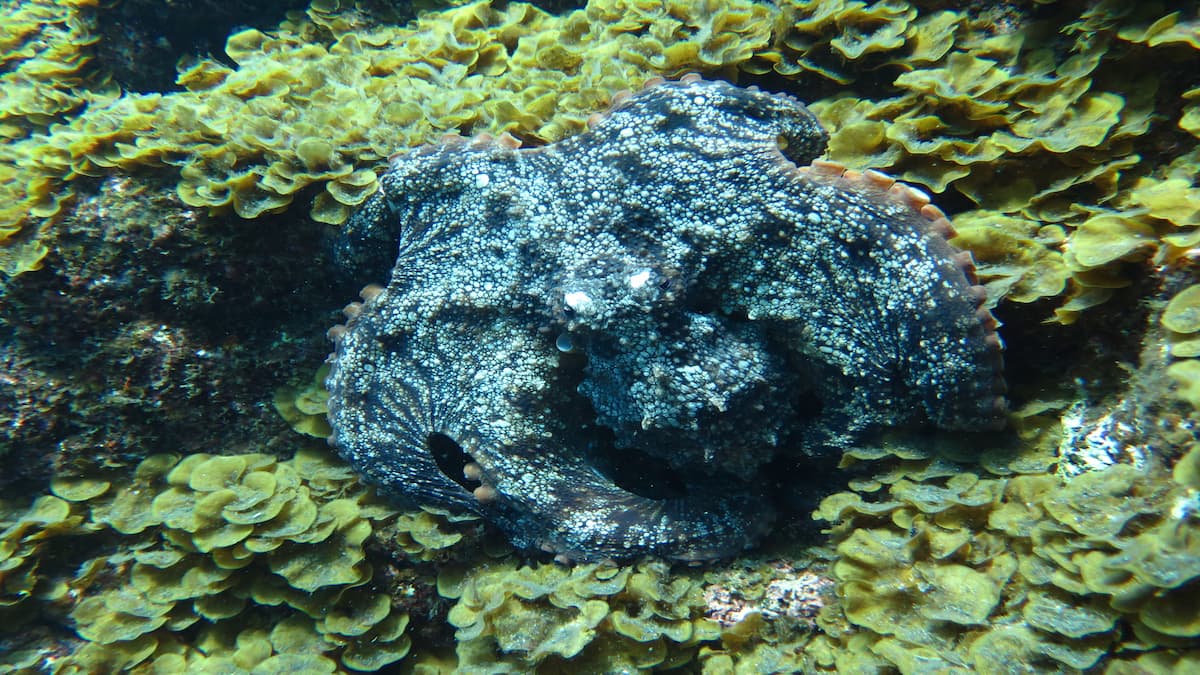
When the sun sets, marine life comes out of its hiding places to feed. Night time is the perfect moment to encounter, Angel sharks, Octopus, Conger eels, Lobsters and other nocturnal species hidden during the day.
A Night Dive
One of the planned dives in this expedition is a night dive in the Fuencaliente lava flow.
Very few diving centers in La Palma offer this experience.
It allows you to witness a completely different side of marine ecosystems.
Diving Experts Specialized in Marine Life Encounters
Abora Expeditions collaborates with Buceo Isla Bonita.
With extensive international experience, it is the diving center in La Palma with the best location for exploring the island’s volcanic lava flows.
Thanks to its privileged location, isolated at the southern tip of the island, we can ensure nearly 100% successful dives—free from currents, swell, or poor visibility—without last-minute cancellations due to operational, safety, or weather conditions.
Abora Expeditions is formed by an expert team with strong operational capacity and the ability to quickly adapt to changing conditions such as wind, swell, or reduced visibility, always ensuring the best possible conditions to run expeditions and explore La Palma’s seabed.
Staying at the hotel is never an option. If we can’t explore by sea, we explore by land.
Dive with Experts
Because the success of an expedition depends on its team—experts who truly understand and know the territory.
They know when and where to dive, searching for angel sharks, rays, and stingrays across the wild beauty of volcanic lava flows.
Monitoring Endangered Marine Species
In At Abora Expeditions, we also collaborate with science and actively work with the PROMAR Network to preserve the marine ecosystems of the Canary Islands. We don't just dive; you'll understand and participate in local monitoring projects. species invasive exoticsin protected or colonization areas of the Tajogaite Lava Deltas.
Our expeditions in the Marine Reserve or the lava flows of the Tajogaite Volcano aim to bring divers closer to these initiatives through citizen science and regenerative diving.
You will learn from experts about the work of these projects and their importance for the conservation of the marine ecosystems of the island of La Palma.
During the dives, we monitor and photograph species that will later be shared in the Network's database, facilitating researchers' access to knowledge and scientific study of these species, and allowing, in turn, the assessment of the status of their populations.
Science Within Everyone’s Reach
During the expedition we will be accompanied by experts, biologists or geologists who will explain to you:
What species inhabit it and why are many of them unique?
Why do the seabeds of La Palma have such unique shapes?
How each underwater lava flow tells us a different chapter of the history of La Palma.
The transformation that the Lava Delta is undergoing day by day. And why it's a landscape that will soon be changed forever.
Underwater Photography Safari Led by Experts
The expedition will include an underwater photography specialist who will accompany us for a day, giving workshops on techniques, settings and image stabilization, before entering the water, where he will also document the experience with high-quality professional lenses for the enjoyment of the expedition members.
A unique opportunity for underwater photography enthusiasts.
A Journey That Truly Helps to Regenerate La Palma
At Abora Expeditions we believe that tourism can be a regenerative force to recover territories and promote local prosperity.
Traveling with Abora Expeditions is traveling with purpose, intention, and respect.
When designing expeditions, we also want to connect our travelers with the traditions, culture, and heritage of La Palma. Each experience is carefully co-created with the local community, integrating farmers, small producers, and local artisans into our itineraries so that your exploration is also on a human level. As a local company with a local commitment, we actively promote the circular economy on the island.
Furthermore, We donate a portion of our expeditions (€10/day and person) to conservation projects in La Palma and to offset our carbon footprint.
At Abora Expeditions we are committed to Development Strategies and Regenerative Tourism, and your presence helps the island grow and become stronger.
We can only give endless thanks to those who choose us to explore the island of La Palma.
La Palma by Sea & by Land
Our expeditions are by sea and by land.
We explored the Laurisilva forest, a survivor of glaciations in Europe, which represents the landscape with the greatest biodiversity in Macaronesia. A subtropical rainforest hidden in the interior of La Palma, in the middle of the Atlantic.
We also ventured onto the Volcano Route. An iconic but little-traveled route along the Cumbre Vieja ridge, where the volcanoes that shaped the island are revealed.
Other Complementary Activities
La Palma offers endless possibilities to explore from north to south.
We are a local agency specializing in La Palma, with a wide network of local partners with whom we have designed high-value experiences that align with our operational commitment, tourism ethics, and quality standards.
Thanks to this, we can organize many other experiences (available in our catalog) and events during our travelers' stay on the island, adapting to their preferences and interests and fulfilling our mission to connect visitors with La Palma's heritage, traditions, and people.
Diving Expedition Calendar 2026
Contact us to reserve your place on the expeditions we already have open for 2026.
We work exclusively with very small groups (6-8 people) because we want to maintain the essence and true spirit of the expedition with unbeatable technique, ensuring safety and excellence.
At Abora Expeditions, we believe in personal connection and that every journey begins by getting to know our travelers.
Book through our form and contact us for more information.
We answer your questions, explain everything… and if you are a group or you are interested in doing the expedition on other dates, please contact us.
June 1–8
July 6–13
August 3–10
Aug 31–Sept 7
October 5–12
Expedition Itinerary
Day 1 –
Arrival and Welcome Briefing
We organize your transfer to the accommodation, where you will receive detailed information about the group meeting and the welcome briefing.
This session allows us to meet the team, answer any questions, and go deeper into the expedition’s structure, operations, safety protocols, confirmed itinerary, and all necessary technical details.
Day 2 –
First Encounter with Volcanic Lava Flows
Morning
Dive 1: Teneguía Volcano Lava Flow
You will explore the volcanic seabed of southern La Palma, diving along the lava flows of the Teneguía volcano, whose most recent eruption took place in 1971.
Its lava formations are erratic, with accretion spheres at depth. A landscape shaped by small caves and horizontal caverns formed between lava flows.
At low tide, especially in winter, nature reveals how the island is still alive beneath the surface. A submarine geyser alters the water temperature inside an underwater cave in the bay.
An exploration that will surprise you.
Technical information:
Difficulty level: Easy
Depth: 18–30 meters
Shore dive
Dive 2: Las Cruces and the Basalt Tower of Malpique
An exploration with history.
We access one of the great landmarks of La Palma’s underwater geology: La Torre—a basalt pinnacle approximately 5–6 meters in diameter, starting at 50 meters depth and rising to 30 meters, largely inhabited by black coral.
Basalt column formations, ledges at different depths corresponding to lava flows shaped by time. Wide sandy areas surrounded by basalt structures, canyons, and cavities.
At 18 meters, a ledge separates the shallower area from the next drop, where the arch and the Malpique tower are located.
Along the route, 40 stone crosses remind us that La Palma was once a key trading port between Europe and the Americas—a time when pirate attacks were frequent.
In 1999, these crosses were submerged in memory of the “Martyrs of Tazacorte,” an event that took place in 1570.
Technical information:
Difficulty level: Easy
Depth: 18–30 meters
Shore dive
Day 3 –
Photographing Underwater Volcanic Landscapes
Morning
Dive 1: San Antonio Volcano Lava Flow
We dive into an environment of pillow lava, unique volcanic formations created when incandescent lava comes into direct contact with the ocean, cooling abruptly and forming rounded structures that resemble large stone cushions.
These formations, born during the eruption of the San Antonio volcano in 1677, reveal the constant dialogue between fire and water, where every volume and every texture tells the story of a process that is both violent and deeply harmonious.
An underwater landscape of great scientific and visual value, where time has preserved one of the purest expressions of the island’s volcanic origin.
Technical information:
Difficulty level: Medium
Depth: 18–30 meters
Shore dive
Dive 2: Beneath the Fuencaliente Lighthouse
Explore basalt column formations across sandy areas, ledges, and platforms at around 10–12 meters depth, with white sand seabeds ideal for encounters with angel sharks, turtles, stingrays, and other megafauna.
Technical information:
Difficulty level: Medium
Depth: 18–30 meters
Shore dive
This expedition is led by our underwater photography expert.
Afternoon
Free time. If the group wishes, we can also use this time to organize additional activities on the island.
Day 4 –
Land Expedition: Into the Laurisilva Forest
Night Dive: The Ocean at Dusk
We head to the north of the island to explore the Laurisilva forest on a 5 km trekking route through lush subtropical woodland filled with waterfalls and life.
You will discover the uniqueness of this ecosystem—one of the last of its kind in Europe—its fragility, and how climate change is affecting its survival, constantly challenged by invasive species.
Afterward, we visit a regenerative agriculture eco-farm, where the owners open the doors of their edible forest to us.
Following a traditional lunch shared among friends, made with products grown on-site, we return to the accommodation to rest and prepare for the night dive.
Afternoon – Night
1st Night Dive
The southern coast and the Fuencaliente lighthouse are among the most impressive places to experience La Palma’s sunsets, where volcanic rock glows in deep reddish tones.
With equipment ready, we enter the water once again—this time exploring vibrant shallow seabeds shaped by basalt formations.
A night dive offers the chance to encounter octopus, sand conger eels, slipper lobsters, spiny lobsters, and seahorses in their wildest state.
And at the end, a breathtaking canopy of stars fills the sky.
A unique experience to observe La Palma’s protected night sky from a completely different perspective.
Technical information:
Difficulty level: Easy
Depth: 12–18 meters
Shore dive
Day 5 –
From Present to Origin: Monitoring in the Tajogaite Lava Deltas and Marine Reserve
Morning
Dive 1: Tajogaite Volcano Lava Flow
You will dive over pristine underwater lava flows formed during the 2021 Tajogaite eruption—the only place in Europe where recent volcanic formations can be explored underwater.
Marine scientists have been actively working in these areas since the eruption, conducting periodic surveys through visual censuses to collect data on changes in species abundance and size.
These studies use other lava deltas, such as the San Juan volcano (1949), as reference points to understand evolutionary patterns of this new habitat.
This is a pristine landscape where post-volcanic regeneration and the early stages of ecosystem development can be observed in real time.
This expedition is part of the RED PROMAR species identification project, where through citizen science we support monitoring efforts in the lava deltas and the identification of invasive species in La Palma’s waters.
Technical information:
Difficulty level: Medium
Depth: 12–18 meters
Dive from zodiac
Dive 2: La Palma Marine Reserve
This final dive takes you offshore for approximately 45 minutes, reaching the protected waters of the La Palma Marine Reserve.
Established in 2001 by ministerial order, the reserve covers 3,455 hectares and is managed by the Spanish Secretariat-General for the Sea, as it lies entirely in external waters.
The Marine Reserve offers a spectacular representation of Canary coastal ecosystems, hosting a high diversity of species of great biological interest.
Exploring its seabed is a truly unique experience.
It stretches along 15 kilometers of coastline between Fuencaliente and Los Llanos de Aridane, reaching depths of up to 1,000 meters.
It is characterized by a narrow continental shelf and steep underwater terrain of great ecological and visual value, home to a rich variety of marine life, including species rarely seen in other western Canary Islands.
Technical information:
Difficulty level: Medium
Depth: 12–18 meters
Dive from zodiac
Afternoon
Free time. Optional activities may be organized depending on the group.
Day 6 –
Land Expedition: Cumbre Vieja Ridge
An iconic yet little-traveled route along the Cumbre Vieja ridge, where volcanoes continue to shape the island.
A high-value geological route, largely unexplored, with open summits and panoramic views over La Palma’s ridgelines, the Atlantic Ocean, and neighboring islands.
Here, a unique phenomenon in Europe takes place—the fusion of atmospheric humidity, trade winds, and mountain peaks, creating the famous “sea of clouds” over the imposing Caldera de Taburiente.
Over 18 km, you will explore one of the most striking and least altered volcanic landscapes in Europe, at your own pace.
A pure territory shaped by eruption and time, where Canary pine forests host unique wildlife, and where lava formations—lajial and pahoehoe—remain unchanged.
Cracks, fractures, volcanic bombs, pyroclasts, and cones create a landscape unlike any other.
Afternoon
Free time, followed by a farewell dinner in the evening.
The expedition comes to an end—but by then, you will already be part of La Palma.
Marine Biodiversity in La Palma
La Palma’s marine biodiversity is defined by its richness and variety of species, its geological formations, and exceptional visibility even at depth.
Schools of fish such as grunts, seabream, salema, bogue, amberjack, and needlefish are commonly seen moving across these volcanic seabeds.
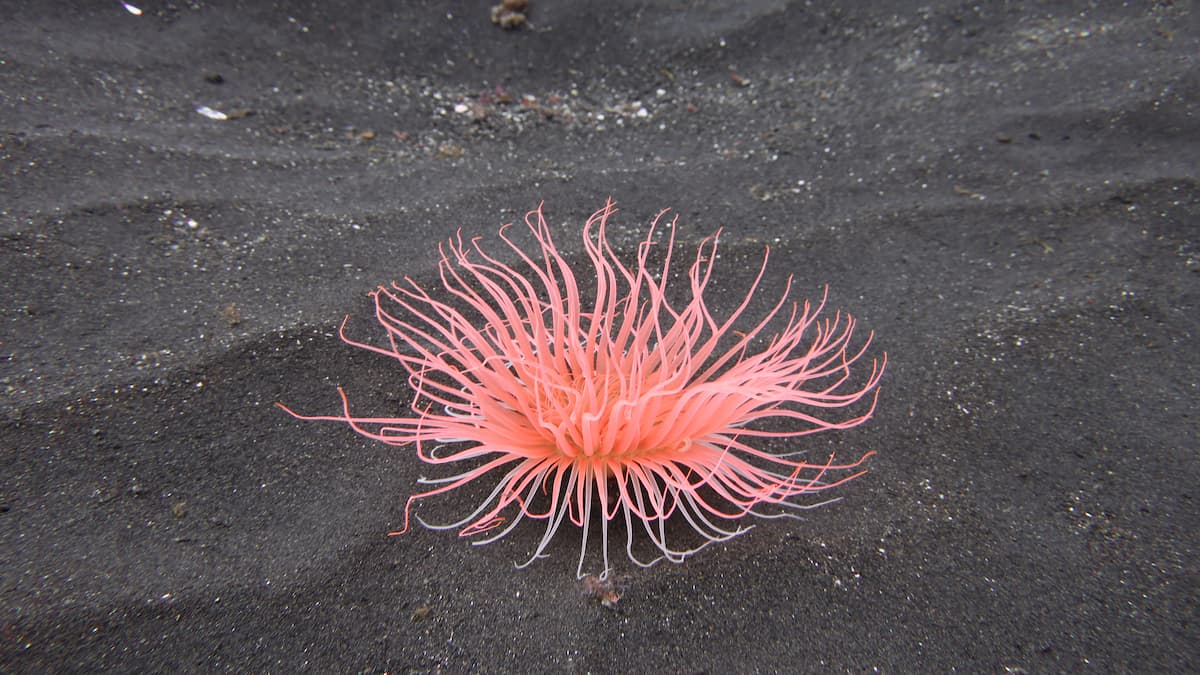
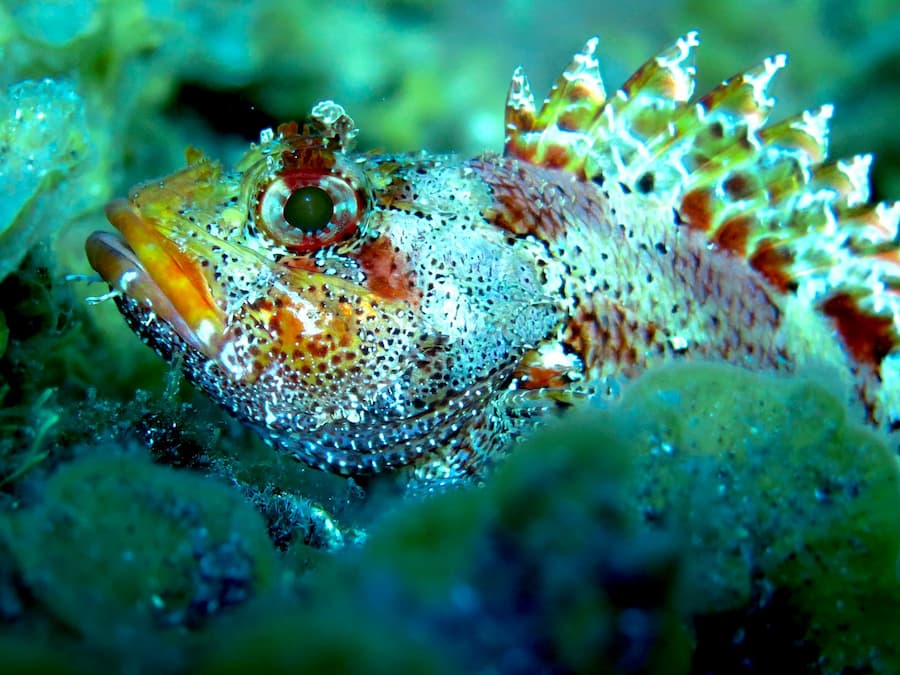
Groupers, seahorses, turtles, moray eels, octopus, triggerfish, stingrays, and rays inhabit these waters, alongside more unique and endangered species such as angel sharks and butterfly rays.
The seabed is also home to black coral, anemones, and other formations of high ecological value—especially in deeper zones—where encounters with large pelagic species such as devil rays make La Palma an exceptional marine ecosystem.
A Living Island, A Living Expedition!
La Palma is an island shaped by volcanoes, by clouds that move like inland seas, and by skies that change constantly.
At Abora, we do not follow rigid routes or fixed itineraries.
We read the territory in real time. We observe the sky, the tides, the weather, and the rhythm of the island before each departure.
Every day, we evaluate conditions and propose the best possible route—always respecting safety, the ecosystem, and the traveler’s experience.
What’s Included in the Expedition?
7 nights accommodation with breakfast in a double room (single supplement applies).
7 diving immersions across different volcanic lava flows in La Palma.
Full diving equipment.
Authorization to dive in the Marine Reserve.
1 underwater photography workshop.
2 land expeditions across iconic landscapes of La Palma.
Picnic during land expeditions.
Local lunch at an agroecological farm and edible forest experience.
Farewell dinner.
Transfers.
Travel insurance.
Donation to local development and environmental restoration projects.
A real experience.
Not Included
Flights.
Any other services, activities, or expenses not specified above.
Additional Information
The expedition is conducted in Spanish, English, and/or French.
Minimum required level: Open Water Diver (OWD). Additional certifications may be required.
A valid diving insurance is mandatory throughout the expedition. If you do not have one, we can assist you in arranging it before the trip.
Water temperature in La Palma typically ranges between 19°C and 24°C, depending on the season.
Most divers use 5–8 mm wetsuits, although this may vary depending on personal tolerance to cold.
We Can Fully Customize Your Expedition
If the proposed dates don’t fit your schedule, we can adapt the journey to your timing.
We design tailor-made expeditions—intimate, fully personalized experiences adapted to your interests and the way you want to explore the island.
We simply need to understand your starting point:
How many people you are.
How many days you will stay.
What kind of experiences you are looking for.
From there, we create a unique journey designed exclusively for you.
This option is especially valuable for groups with different interests. While some dive, others can explore the island from land, connecting with its landscapes, culture, and essence.
Time here is flexible. It can be a weekend escape, a few days of disconnection, or a deeper expedition.
There is no minimum group size—it can be for two people, a small group, or even a solo traveler.
Because every expedition begins differently—but all pursue the same goal: connection, transformation, and a more conscious relationship with the places we inhabit.
Who is Behind of ABORA EXPEDITIONS?

Hello!
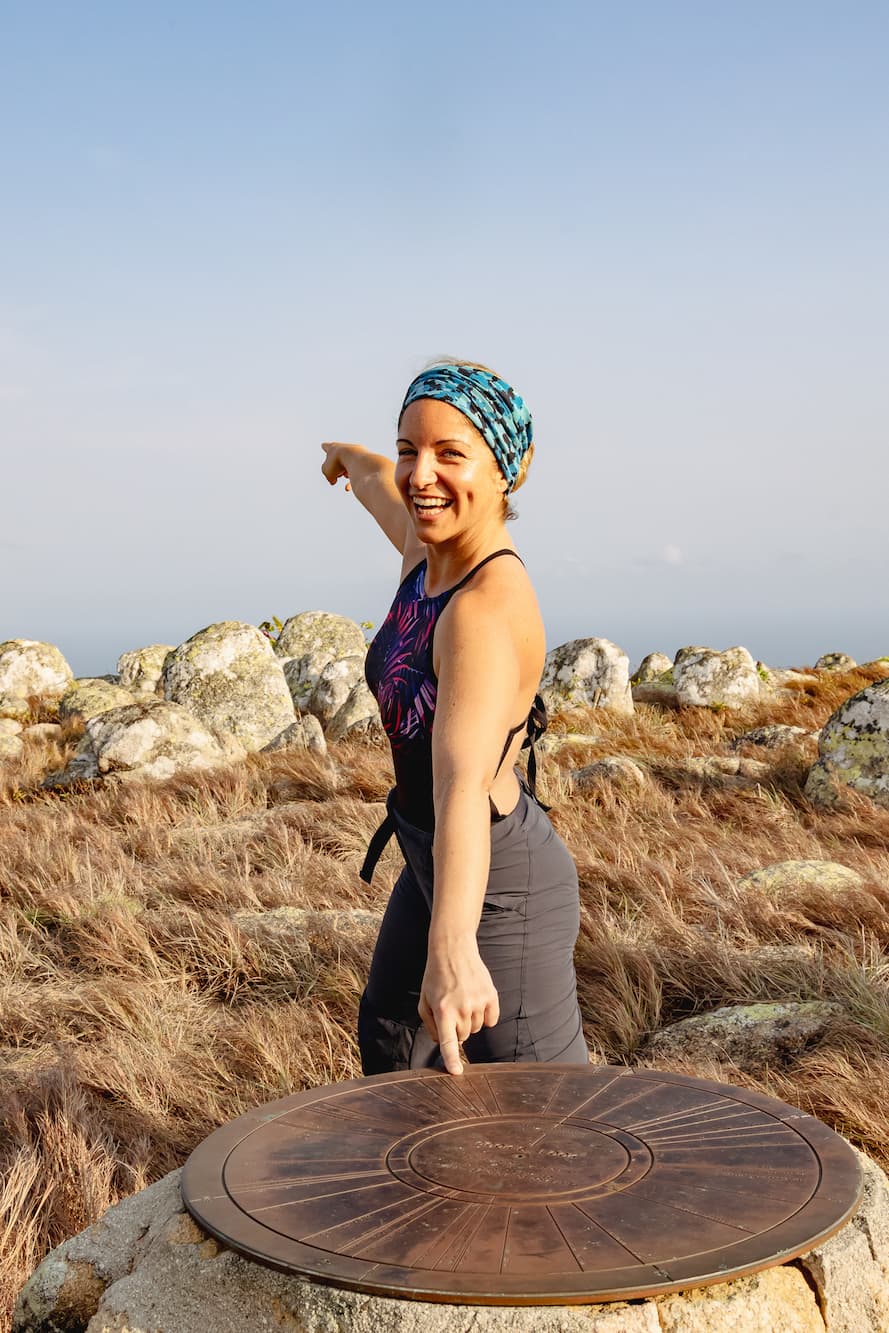
My name is Desirée Izquierdo, founder and CEO of Abora Expeditions, the first regenerative tourism organization in the Canary Islands.
I have over 20 years of experience in the tourism sector, connecting travelers, destinations, and communities. I have worked with leading global expedition companies such as Ponant Expeditions, Abercrombie & Kent, The World, and National Geographic.
In the end, this experience revealed to me that there is another way to travel—one that doesn’t exhaust, but sustains. A form of tourism that respects, regenerates, protects, and contributes to the well-being of the land. One in which the traveler forms a deep connection with the territory, its culture, and its people.
In islands worn down by exhausted tourism models—ones that overcrowd, impoverish, and suffocate fragile environments—Abora Expeditions was born as the only way for me to remain true to who I am, what I know, and what I have lived.
I owe it to my islands. I owe it to La Palma.
Abora Expeditions stands for Authenticity and Depth
At Abora, we design each expedition with one goal: for you to truly understand La Palma and build a meaningful connection with it. This is our Guarantee of Authenticity and Depth.
Our promise is that when you travel with us…
You will contribute positively to the island’s environment.
You will experience a deep integration with the culture of La Palma and its people.
You will join unique expeditions, thoughtfully designed with care.
You will travel in small groups, ensuring a more intimate experience.
You will be guided by experts who help you interpret and truly understand what you see.
Your journey leaves a positive impact on the territory—and on you.
IMPORTANT
This expedition still reaches untouched places—but not for much longer.
The lava flows that entered the ocean during the eruption of the Tajogaite volcano created a new lava delta that, to a large extent, still shows little to no signs of life.
But that won’t last much longer.
The ocean is a living system. In some parts of the lava delta, algae, corals, and other organisms are already beginning to appear, and experts believe that marine life will soon spread across the entire delta.
If you want to witness these volcanic flows in their raw, untouched state, now is the time.
Join the expedition and dive into a truly unique and extraordinary environment

Contact Us